Learn what is Microsoft 365, its benefits, and Microsoft 365 for business. Discover plans, features, and how it can boost your team's productivity.
View More


Understanding how technology supports your business goals is more important than ever. If you want to grow, stay secure, and keep up with changes, you need more than just basic IT support. This blog explains what a vCIO is, how a virtual chief information officer helps with technology planning, and why many businesses choose vCIO services instead of hiring a full-time CIO. You’ll learn about the vCIO role, benefits, common challenges, and how to get started.
A vCIO, or virtual chief information officer, is an expert who provides executive-level IT leadership without being a full-time employee. Instead of hiring a traditional CIO, you can outsource this role to a service provider. The vCIO works closely with your team to align technology with your business objectives, helping you make smart decisions about IT investments.
For many small and midsize businesses (SMBs), a vCIO is a cost-effective way to get high-level strategic planning and guidance. They help you create a technology roadmap, manage vendor relationships, and ensure your systems are reliable and secure. By working with a vCIO, you can focus on your core business while knowing your IT is in good hands.

A vCIO does more than just oversee IT. Here are five important ways they help your business grow and stay competitive:
A vCIO provides executive-level advice, helping you set long-term technology goals. They make sure your IT plans are aligned with your overall business strategy, so you don’t waste money or miss opportunities.
Instead of waiting for problems, a vCIO helps you prevent them. They review your current systems, recommend best practices, and set up defenses to protect your data from cyber threats.
Many industries have strict rules about data and privacy. A vCIO helps you understand and meet compliance requirements, reducing the risk of fines or legal trouble.
Managing IT vendors can be confusing and expensive. A vCIO negotiates with vendors, reviews contracts, and finds ways to save money while getting the best service.
If something goes wrong, you need a plan. A vCIO creates disaster recovery strategies so your business can bounce back quickly after an outage or cyberattack.
Choosing a vCIO brings several advantages:

A vCIO is your partner for technology planning and scaling your business. They help you create a clear technology roadmap that matches your growth plans. This includes reviewing your current systems, recommending upgrades, and making sure your IT can handle more users or new locations.
When your business is ready to scale, the vCIO guides you through each step. They help you choose the right tools, plan for future needs, and avoid common mistakes that slow down growth. With a vCIO, you get a proactive approach to technology, so you’re always ready for what’s next.
Getting the most from a vCIO means knowing what to expect and how to work together. Here are six steps to help you succeed:
Start by sharing your main goals with your vCIO. This helps them understand what matters most and tailor their advice to your needs.
The vCIO will review your systems, security, and processes. This assessment finds gaps and areas for improvement.
Together, you’ll create a plan for upgrades, new tools, and future projects. The roadmap keeps everyone on track and focused on results.
Frequent meetings help you stay updated and adjust plans as your business changes. Your vCIO will bring new ideas and keep you informed about risks or opportunities.
Track key metrics like uptime, security incidents, and project completion. This shows the value of your vCIO and helps you make better decisions.
As your business grows, your IT needs will change. A good vCIO will update your plans to keep you moving forward.

Switching to a vCIO model is a big step, but it doesn’t have to be difficult. Start by choosing a managed service provider (MSP) with experience in your industry. Look for a team that understands your business and can offer both strategic guidance and hands-on support.
Make sure your vCIO is involved in major decisions, from technology investments to disaster recovery planning. Clear communication and regular updates help you get the most value. Remember, the goal is to align technology with your business goals and keep your systems running smoothly.
To make your vCIO relationship work, follow these tips:
A strong partnership leads to better results and long-term growth.

Are you a business with 25 to 150 employees looking for expert IT leadership without the cost of a full-time CIO? If you’re focused on growth and want to make smarter technology decisions, our team is ready to help you get started with vCIO services.
We understand the challenges of scaling, compliance, and cybersecurity. Palm Tech offers reliable, actionable support to align your technology with your business goals. Contact us today to see how we can help your business thrive.
A vCIO is an outsourced expert who provides high-level IT leadership, while a traditional CIO is a full-time executive within your company. The vCIO role is more flexible and cost-effective for SMBs that may not need a full-time CIO. Both focus on aligning technology with business goals, but a vCIO is usually part of a managed service provider team.
The main benefit of a vCIO is access to executive-level advice without the expense of hiring a full-time leader. This helps you stay proactive with technology planning and strategic IT leadership.
A vCIO reviews your current security systems and recommends improvements to protect your data. They also help you understand and meet compliance requirements specific to your industry.
By working with a vCIO, you get a proactive approach to risk management and disaster recovery planning. This keeps your business safe and avoids costly mistakes.
Virtual CIO cost depends on the size of your business and the level of service you need. Most SMBs find it more affordable than hiring a full-time CIO.
You pay for only the services you use, making it a cost-effective way to get executive-level IT support. This helps you control expenses while still getting the benefits of strategic planning and technology investments.
If your business is growing, facing new technology challenges, or struggling with IT decisions, it may be time to hire a vCIO. They provide guidance on technology roadmap development and scaling your systems.
A vCIO is especially helpful if you want to align technology with your business objectives and improve productivity. They bring experience and best practices to help you reach your goals.
Working with a vCIO gives you access to a wide range of expertise and resources from a managed service provider. You get strategic guidance without the cost and commitment of a full-time executive.
A vCIO is flexible and adapts to your changing needs, offering support for digital transformation, vendor management, and technology planning. This partnership helps you stay competitive and focused on business growth.
A vCIO works closely with your managed IT services team to ensure your technology supports business growth. They create a roadmap for upgrades, security, and new projects.
By focusing on strategic planning and aligning IT with your business goals, a vCIO helps you make smart decisions and avoid common pitfalls. This leads to better results and long-term success.

Learn what is Microsoft 365, its benefits, and Microsoft 365 for business. Discover plans, features, and how it can boost your team's productivity.
View More
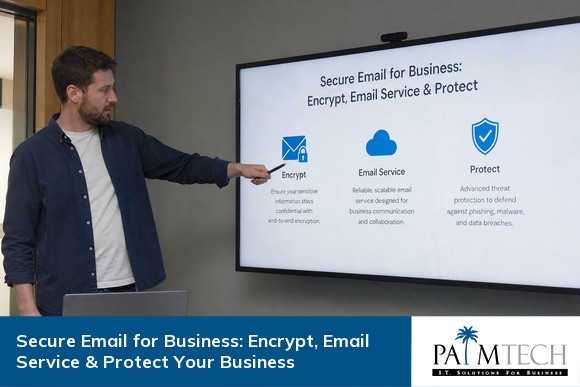
Discover secure email for business and the benefits of email security for businesses. Learn how encryption, email services, and best practices protect your company.
View More