
Hurricane preparedness for businesses made simple. Use our hurricane preparedness checklist for business to build your evacuation plan and emergency kit today.
View More


What we keep hearing from businesses is that they often overlook how their IT helpdesk software looks and works on different screens, especially mobile devices. "If your helpdesk platform isn’t optimized for all viewports, you’re risking slower response times and frustrated users." Industry research shows that more than half of help desk tickets are now submitted from mobile devices, yet many teams still use systems that aren’t mobile-friendly.
The viewport meta tag is a small but powerful piece of code that tells browsers how to display your helpdesk software on different devices. When your IT helpdesk software supports the right viewport meta settings, it ensures your team and customers can easily submit and track tickets, no matter what device they’re using. This is especially important for businesses that rely on quick responses and high productivity. By making sure your help desk software is accessible on any screen, you’re setting your team up for better customer service and smoother workflows.
When you hear about viewport meta IT helpdesk software, it’s all about making sure your support tools work well on every device. This section breaks down the basics, so you know what to look for and why it matters.
The viewport meta tag is a line of code that tells browsers how to scale and display your helpdesk software interface on different screens. Without it, your help desk software might look tiny or broken on mobile devices. For teams handling lots of tickets and requests, this can lead to missed messages and slower resolutions. Making your platform mobile-ready helps everyone stay connected and productive, whether they’re in the office or on the go.
Mobile optimization isn’t just a nice-to-have anymore. As more users expect fast, easy access to support, having a responsive helpdesk platform is essential. It helps your team respond quickly, manage incidents, and keep customer satisfaction high. Plus, it can reduce the number of repeat requests and boost overall productivity.

Many businesses run into trouble with viewport meta IT helpdesk software because of a few common mistakes. Here are the main issues to watch out for:
Some teams forget to check how their helpdesk software looks on mobile screens. This can make it hard for users to submit tickets or read updates, slowing down customer service.
Old or missing meta tags can cause your platform to display incorrectly on modern browsers. Always check that your software uses current standards for the viewport meta tag.
A cluttered help desk software interface can confuse users, especially on smaller screens. Keep layouts simple so users can easily find what they need.
If you only test your helpdesk software on a desktop, you might miss problems that appear on tablets or phones. Regularly check your platform on different devices to catch issues early.
Accessibility features help all users, including those with disabilities, use your helpdesk software. Make sure your viewport settings don’t interfere with screen readers or other assistive tools.
When you add new integrations, like live chat or asset management, double-check that your viewport settings still work. New features can sometimes break mobile layouts if not tested properly.
Users often spot problems before IT teams do. Listen to their feedback about mobile usability and make changes quickly to keep everyone happy.
To get the most out of your helpdesk platform, look for these important features:

Mobile optimization in viewport meta IT helpdesk software isn’t just about looks—it directly affects how quickly and accurately your team can help customers. When your platform is easy to use on any device, your team can respond to incidents and requests from anywhere, improving both speed and satisfaction.
A mobile-ready helpdesk also means fewer delays and less confusion for users. They can submit tickets, check status updates, and communicate with support without being tied to a desktop. This flexibility is especially valuable for teams that work remotely or need to handle urgent issues outside regular hours. By making your helpdesk accessible on all devices, you’re building a more responsive and reliable support system.
Optimizing your viewport meta IT helpdesk software takes planning and regular review. Here are some practical strategies to help you get started:
Start by checking how your helpdesk software performs on different devices. Look for any display issues or slowdowns, especially on mobile screens.
Make sure your platform uses the latest viewport meta tag standards. This helps browsers display your software correctly on all devices.
Reduce clutter and keep menus easy to use. A simple navigation structure helps users find what they need quickly, even on small screens.
Whenever you add new integrations, like live chat or asset management, test them on every device. This ensures nothing breaks your mobile layout.
Ask users about their experience with your helpdesk software on different devices. Use their input to make improvements and fix problems fast.
Make sure your team knows how to use all the features of your helpdesk platform, including mobile tools. Training helps everyone work more efficiently.
Set up regular checks to spot any new issues with your viewport meta settings. Staying proactive keeps your helpdesk running smoothly.

Getting started with the viewport meta IT helpdesk software doesn’t have to be complicated. First, review your current helpdesk platform and identify any areas where mobile usability is lacking. Look for common issues like tiny text, overlapping buttons, or slow loading times on phones and tablets.
Next, work with your IT team or software provider to update your viewport meta tags and test the changes on several devices. Make sure the platform is easy to use for both your team and your customers. Don’t forget to check that all integrations, like email and live chat, work smoothly on mobile screens. Regular updates and user feedback will help you keep your helpdesk software in top shape.
To make the most of your helpdesk platform, follow these best practices:
Following these steps will help you maintain a reliable, user-friendly helpdesk system that works for everyone.
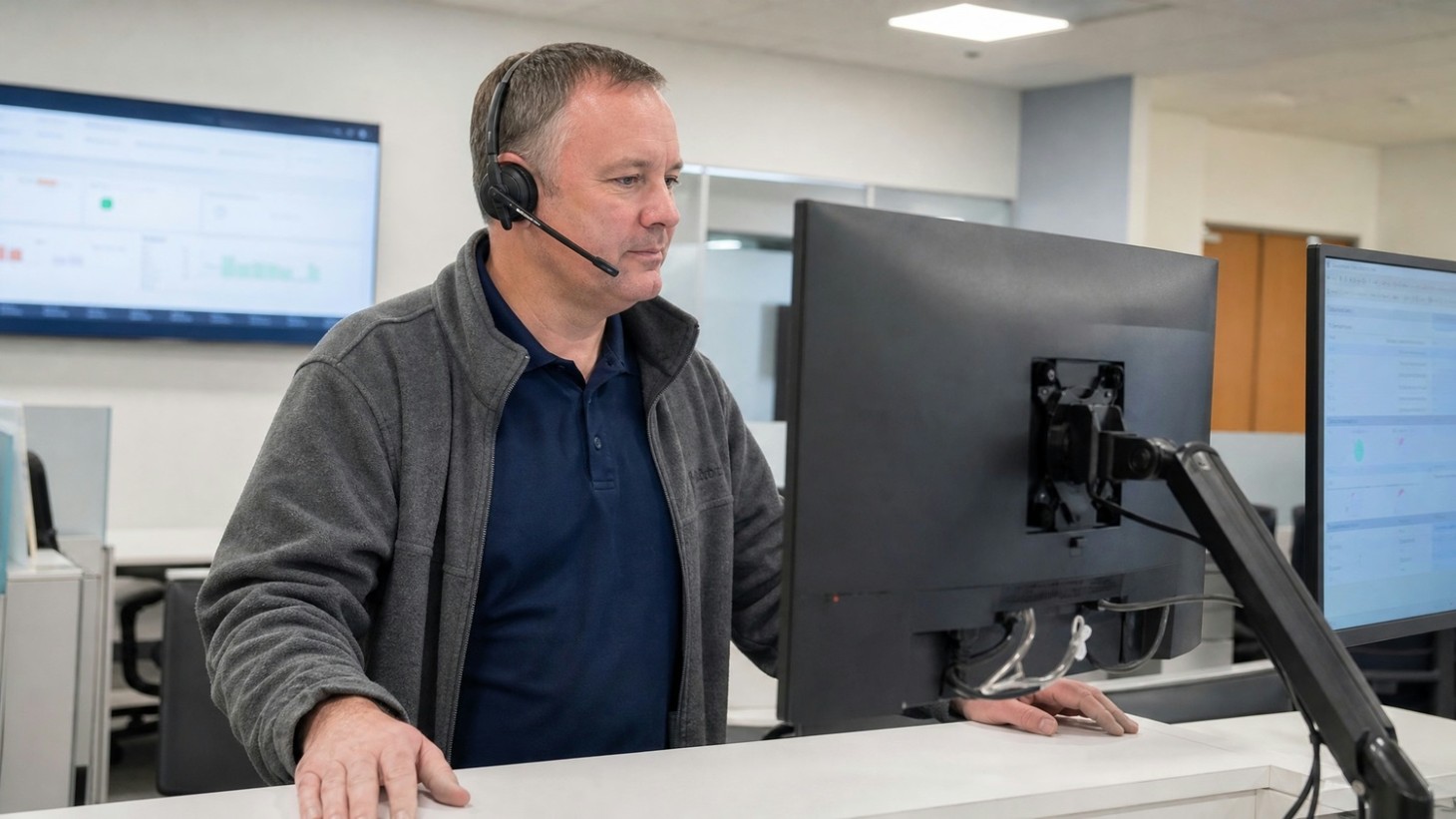
Are you a business with 25 to 150 employees looking for a helpdesk solution that actually works on every device? Growing businesses often struggle to keep up with support requests, especially when their IT helpdesk software isn’t optimized for mobile screens. If you want to boost productivity and keep your team connected, you need a platform that’s designed for today’s needs.
At Palm Tech, we understand the challenges of managing tickets and customer service across multiple devices. Our team specializes in implementing viewport meta IT helpdesk software that’s easy to use, secure, and fully mobile-ready. Let us help you streamline your support process—contact us today to see how we can make your helpdesk work better for your business.
Viewport meta IT helpdesk software makes it easier for your team to manage helpdesk tickets from any device. With a responsive design, users can submit, track, and resolve tickets whether they’re on a desktop or a mobile device. This flexibility helps reduce response times and ensures no request gets missed.
By supporting different screen sizes, your helpdesk platform becomes more accessible to all users. This leads to better productivity and a smoother workflow for your entire team.
Meta tags, especially the viewport meta tag, help your help desk software display correctly on different browsers and devices. They tell the browser how to scale and present the interface, making sure everything is readable and easy to use.
Without proper meta tags, users might experience issues like overlapping text or buttons that don’t work. Keeping your meta tags up to date ensures a consistent experience for everyone.
Yes, AI features can be added to the viewport meta IT helpdesk software to automate ticket sorting, suggest solutions, and even handle simple requests. These tools help your team resolve incidents faster and more accurately.
AI-powered integrations can also analyze user messages and tag them for easier tracking. This saves time and helps your team focus on more complex support issues.
Mobile optimization means users can access your helpdesk software anytime, anywhere. This is especially important for teams that need to respond quickly to urgent requests or incidents.
A mobile-friendly platform also makes it easier for users to submit tickets and check updates. This leads to higher satisfaction and fewer repeated requests.
Look for a helpdesk software platform that offers a simple, clean interface and supports all major mobile devices. Features like real-time notifications, easy ticket submission, and secure access controls are essential.
Make sure the platform integrates with your existing email and asset management systems. This helps keep all your support tools in one place and boosts overall productivity.
Migrating your helpdesk data involves exporting tickets, user information, and tags from your old platform and importing them into the new one. Many modern helpdesk software solutions offer migration tools to make this process easier.
Before you start, back up your data and test the migration process on a small batch of tickets. This helps prevent data loss and ensures a smooth transition for your team.

Hurricane preparedness for businesses made simple. Use our hurricane preparedness checklist for business to build your evacuation plan and emergency kit today.
View More

Discover the benefits of VoIP for business and see how VoIP vs landline for business compares. Learn how VoIP phone systems can boost efficiency and cut costs.
View More